
Dog Sledding vs. Reindeer Sledding: What's the Difference?
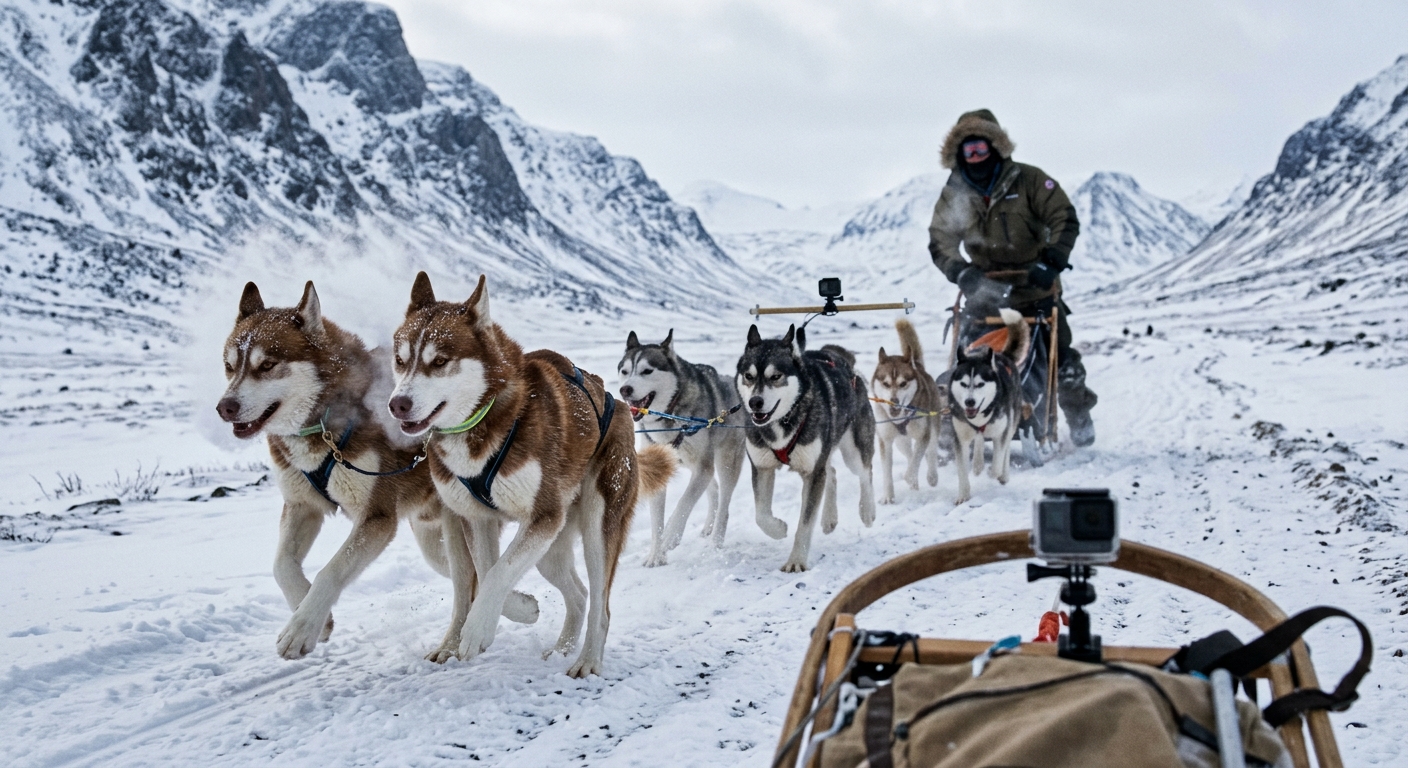
- Dog sledding is fast, loud, and physically active — you're often steering or standing on the runners, not just riding.
- Reindeer sledding is slower, quieter, and typically led by a Sami guide sharing herding history and culture, not a speed activity.
- Both are suitable for most fitness levels and ages, with reindeer sledding generally the gentler option for young children or anyone less mobile.
- If you can only do one, dog sledding delivers the more adrenaline-driven memory; reindeer sledding delivers the more culturally grounded one.
- Many Arctic itineraries include both, on different days — they don't compete for the same experience.
Same snow, completely different energy
Both activities put a sled and animals in the snow, and the comparison stops being useful right after that. A dog sled team runs at real speed — enough that many tours have you steering or standing on the runners rather than sitting passively, and the dogs' energy and noise before departure is part of the experience. Twelve or more huskies straining against their harnesses, barking and lunging forward the moment the brake releases, is a genuinely visceral few seconds before the run settles into a rhythm. Reindeer sledding is deliberately unhurried: reindeer don't run the way huskies do, and the pace is closer to a calm walk through snow, often through forest or open tundra rather than a set track.
The cultural framing differs too. Dog sledding is generally presented and marketed as an adventure activity — the huskies are working dogs, the operator is running a business, and the experience is built around speed and control. Reindeer sledding is almost always led by a Sami guide and comes with real cultural context — herding history, the animal's central role in Sami livelihood for over a thousand years, sometimes a stop at a lavvu (a traditional cone-shaped tent) for coffee, dried reindeer meat, and conversation about a way of life that predates Norwegian statehood.
Side by side
Where each one happens
Tromsø is the most-booked base for both activities, largely because of flight access and the density of operators nearby. Alta, further north and inland, has a strong dog sledding scene tied to its role as a start point for the Finnmarksløpet, one of Europe's longest dog sled races — meaning genuinely experienced mushers and working kennels rather than tourist-only operations.
Karasjok and Kautokeino, both deep in Finnmark and significant centers of Sami culture and governance, are where reindeer sledding tends to carry the most authentic cultural weight — these are towns where reindeer herding is a living, ongoing livelihood, not a demonstration staged for visitors.
Which one to pick if you can only do one
If the trip is about adrenaline and a physically memorable Arctic moment, dog sledding wins — the speed and the dogs' energy make it the more viscerally exciting hour of your day. If the trip is about understanding the region rather than just experiencing it, reindeer sledding wins — you leave with a real sense of Sami culture and history, not just a fast ride through snow.
Most well-built Arctic itineraries don't force the choice — they include both on separate days. If you genuinely only have time for one: dog sledding is the better story to tell right away; reindeer sledding is the better story to tell six months later.
- Most operators provide a full thermal snowsuit — wear warm layers underneath, not your outdoor jacket over it
- Insulated boots of your own, even with a provided suit — feet get cold first on both activities
- Ski goggles or sunglasses for dog sledding — wind and snow spray at speed are real
- Whether you'll drive your own dog sled or ride as a passenger — this changes both the physical demand and the experience
- Minimum age policies — both activities vary by operator, especially for young children
- Whether the reindeer tour includes the cultural stop (lavvu, coffee) or is purely the ride