
Sami Culture in Norway: What Travelers Should Know Before Visiting
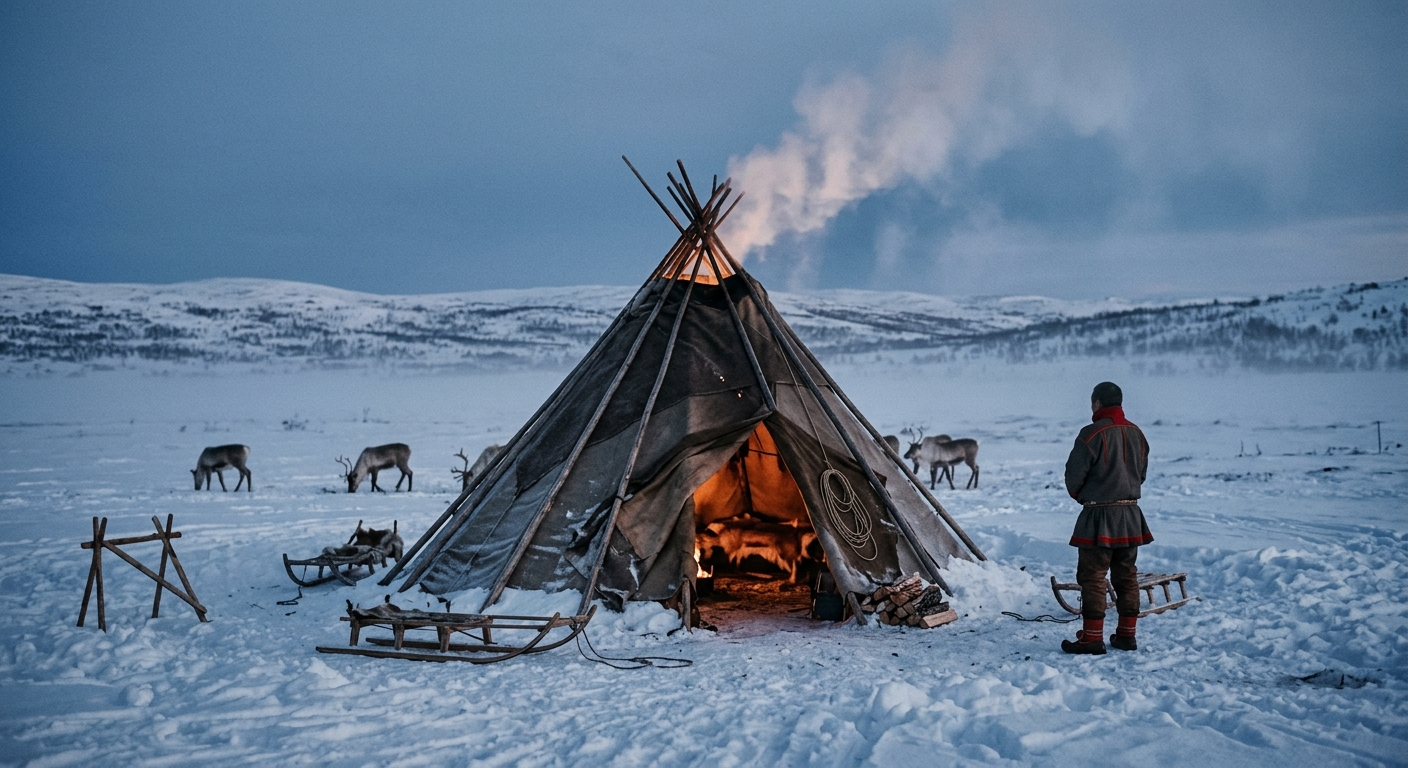
- The Sami are Indigenous to Sápmi, a region spanning northern Norway, Sweden, Finland, and Russia's Kola Peninsula — not a subgroup of Norwegian culture, but a distinct people with their own languages, governance, and history.
- Reindeer herding remains a real, ongoing livelihood for many Sami families today, not a historical practice kept alive for tourists.
- Karasjok and Kautokeino are the two towns most central to Sami culture and self-governance in Norway, both home to the Sami Parliament's institutions and cultural centers.
- The most respectful cultural encounters are led by Sami guides themselves, on their own terms — look for who's actually running the tour, not just who's featured in it.
- A joik (traditional Sami vocal tradition) or a lavvu visit carries real cultural weight — treating them as photo backdrops rather than living traditions is the most common visitor misstep.
Who the Sami are, briefly and accurately
The Sami are Indigenous to Sápmi, a region that stretches across the north of Norway, Sweden, and Finland and into Russia's Kola Peninsula — their presence in this land predates the modern borders of any of those four countries, and predates the Norwegian state by well over a thousand years. They have their own languages (several distinct Sami languages, not one), their own flag, and in Norway, their own elected parliament, the Sameting, based in Karasjok. Recognizing this matters before you visit: a Sami cultural experience isn't a regional variant of Norwegian culture, it's an encounter with a separate people who happen to live within Norway's current borders.
Norway's own relationship with Sami culture has a difficult history — a long period of state-enforced assimilation (Norwegianization policy) through the late 19th and much of the 20th century actively suppressed Sami language and identity. That history is part of why contemporary Sami cultural tourism, when done well, is explicitly about Sami people telling their own story on their own terms.
Reindeer herding: a living practice, not a demonstration
Reindeer herding is a real, ongoing economic livelihood for many Sami families today, governed by its own legal framework in Norway and organized around seasonal migration patterns that herds have followed for generations. When a tour includes reindeer sledding or a herding demonstration, you're witnessing a version of an actual practice, not a historical reenactment staged purely for visitors.
This is the clearest marker of quality when choosing an operator: a Sami-owned or Sami-guided tour, ideally one connected to an actual working herd, gives you something genuinely different from a general tourism company that has added "Sami experience" to a list of activities.
Where to go for a real cultural encounter
If your itinerary has time for only one deeper stop, Karasjok combines the most in a single place — the Sami Parliament building, the museum, and easy access to herding-based tours nearby.
What respectful visiting actually looks like
Traditional Sami dress (gákti) is not a costume for visitors to try on for photos at most legitimate cultural sites — it carries regional and familial significance, and treating it as a photo prop is a common and avoidable misstep. A joik, the traditional Sami vocal tradition, is a deeply personal form of expression, historically tied to specific people, places, or animals — if you hear one performed, it's worth understanding you're hearing something with real weight, not background music.
Asking before photographing people directly, buying handicrafts (duodji) from Sami artisans rather than mass-produced souvenirs sold as "Sami," and simply listening more than photographing during a cultural stop are the small, practical things that make the difference between a visitor and a respectful guest.
- Warm layers for outdoor cultural stops — lavvu visits often involve time outside even in winter
- Cash or card for handicrafts — supporting Sami artisans directly is one of the more meaningful things a visitor can do
- Genuine curiosity over a checklist mentality — the best of these experiences reward slowing down and asking questions
- Choose Sami-owned or Sami-guided operators where possible — ask directly before booking if it isn't clear
- Don't request to wear traditional dress or perform a joik yourself as a novelty — appreciate them as living traditions, not interactive props
- Time a visit around Karasjok or Kautokeino specifically if Sami culture is a trip priority, rather than treating it as an incidental stop